THE CLUB’S HERITAGE
The history of the Kawasaki 750 Turbo
From Kawasaki’s four-cylinder motorcycles to the turbo years: the story of the GPz 750 Turbo.
In 1967, Kawasaki began work on a 750 cc, four-stroke, four-cylinder motorcycle.
Honda got there first, launching the CB750 four-cylinder motorcycle in 1969.
To stand out, Kawasaki revised its plans and released a larger motorcycle, the 900 Z1, in 1973.

To complete the range, Kawasaki designed the four-cylinder Z650, which entered production in 1976.
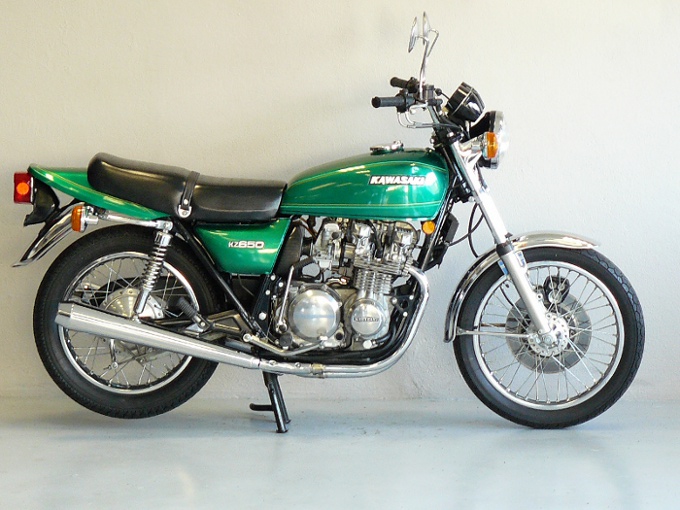
As the advertisement below suggests, this also made Honda’s 750 look like a middleweight: its output was only three horsepower higher than the Z650’s. 
You can already recognise the engine layout that would develop into the 750 Turbo.
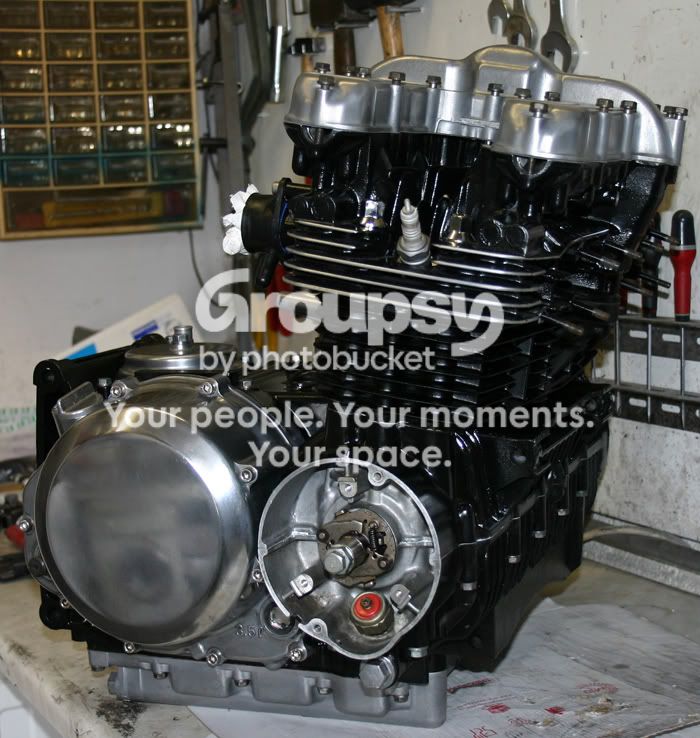
In 1980, the 650 evolved into a 750,
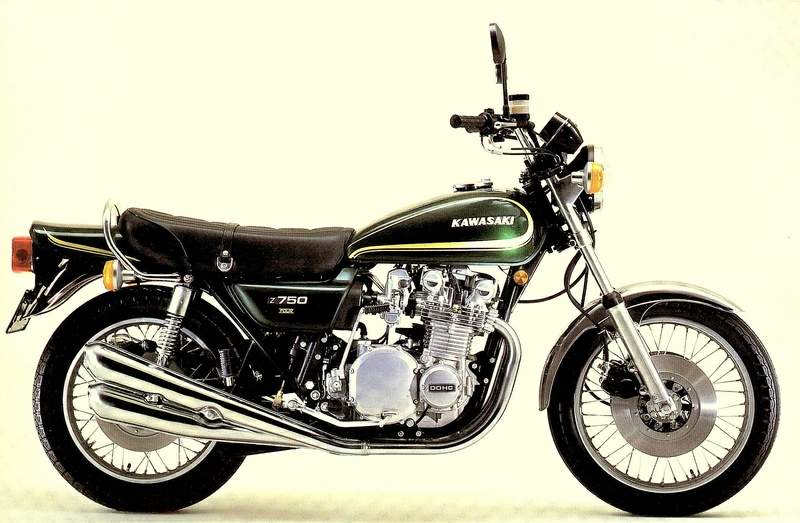
which became the GPz 750 in 1982
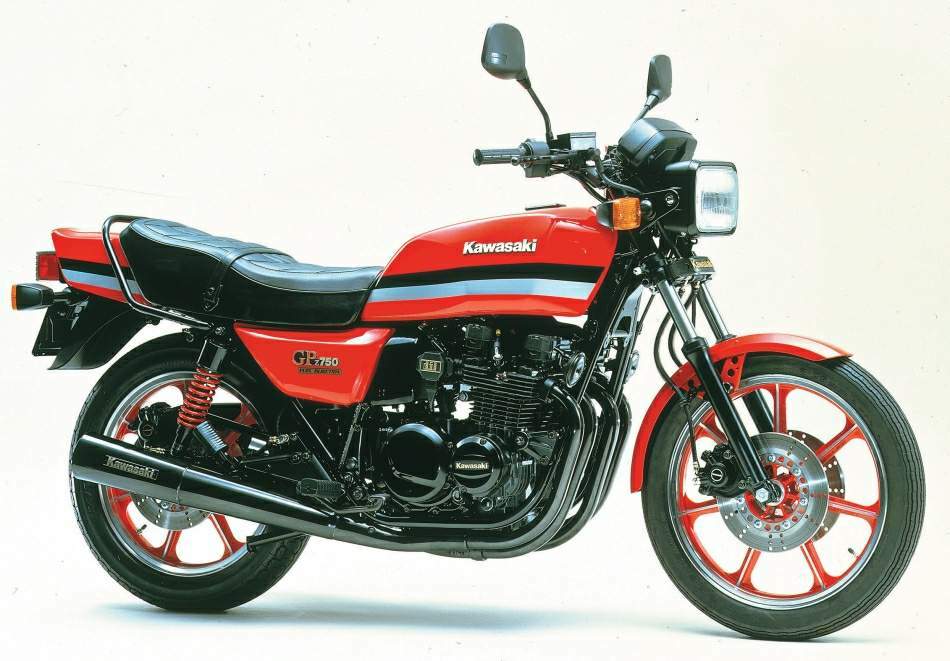
and finally the ZX 750 in 1983, with more modern styling.
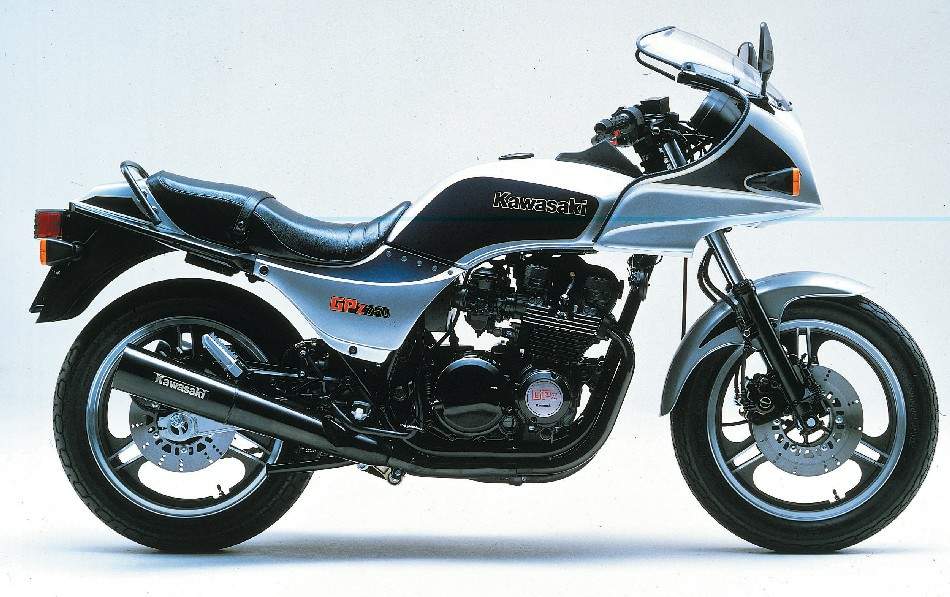
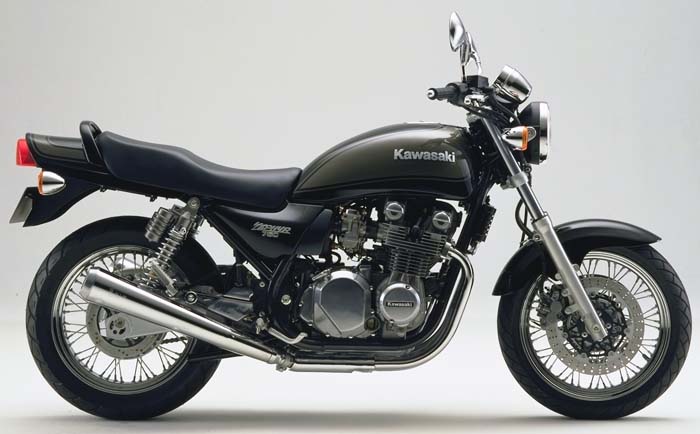
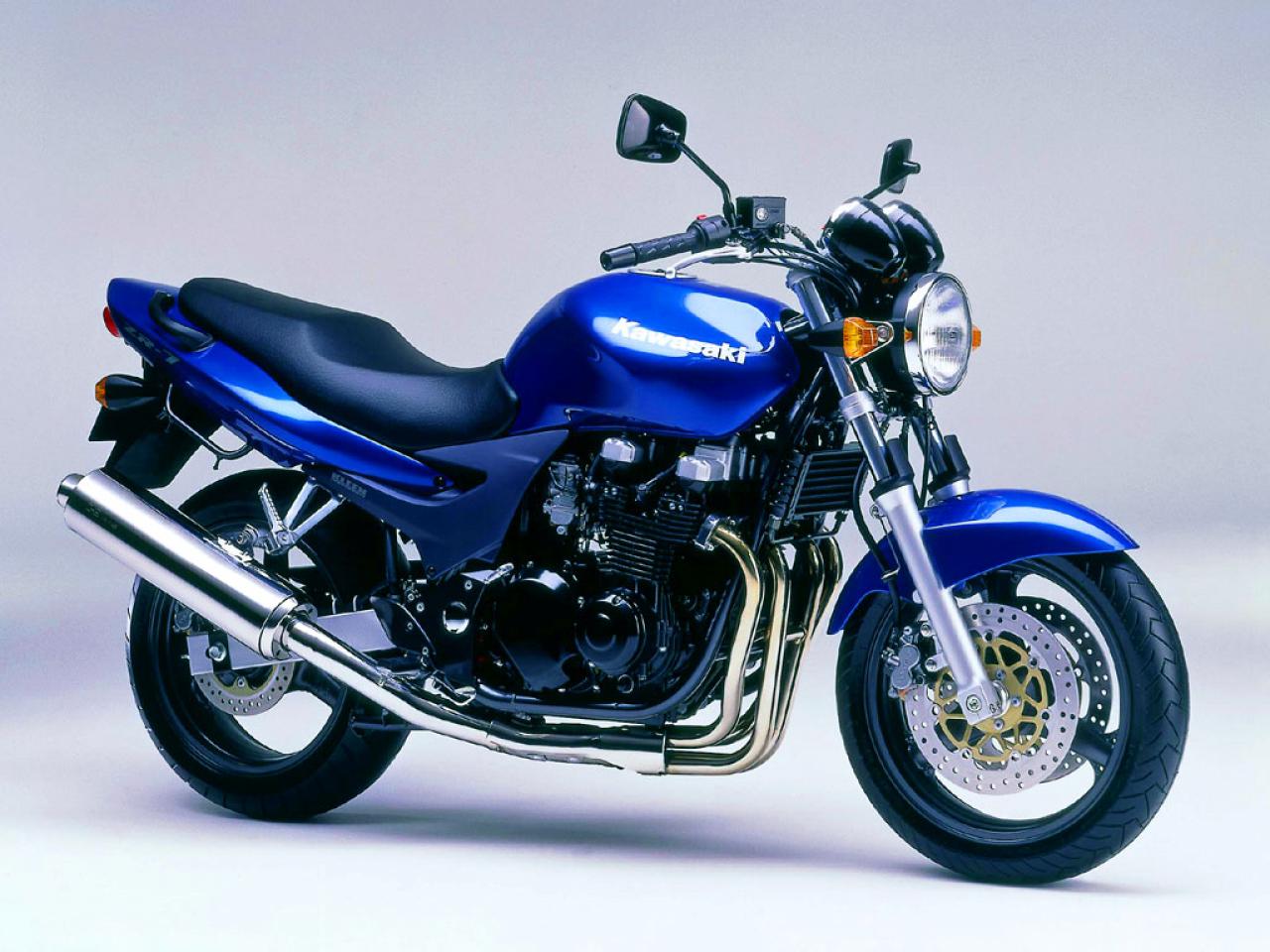
This simple, reliable engine was later used in the Zephyr and ZR-7, whose production ended in 2004.
But let’s return to the 1980s, when turbos were fashionable. Sometimes with interesting results:

And sometimes less so:



Three Japanese manufacturers chose relatively restrained turbo motorcycles, aiming for large-engine performance with a smaller machine’s fuel consumption and weight, in a touring package. In the author’s view, the result was closer to the opposite: small displacement but large-machine consumption, weight and price, without the low-speed torque expected of a touring motorcycle.
Kawasaki alone started from a larger sports motorcycle, the ZX 750, with the advantage of a very reliable engine, even if its technology was showing its age: air cooling and two valves per cylinder.
The engine received electronic fuel injection, a turbocharger and the lubrication and electronic systems needed to support them.
The chassis also evolved, with a different frame and larger brakes.
The first prototype had unusual, rather unflattering styling: a broad fairing that looked more at home on a California police motorcycle than a sports bike, and an offset-axle fork like those on some off-road motorcycles.
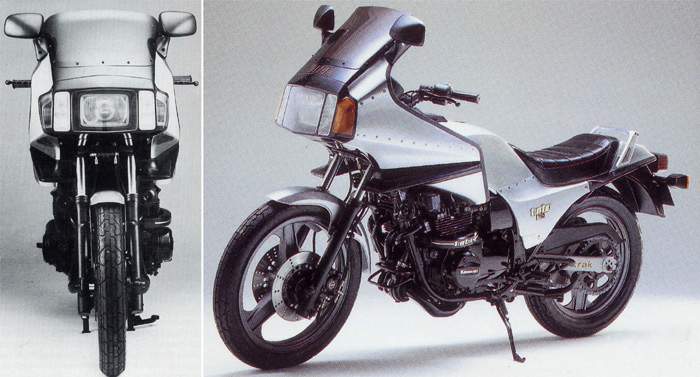
Fortunately, Kawasaki returned to more conventional components for the production model.
It was a pity, however, to lose the ventilated rear brake disc, the clock and the oil-temperature gauge.

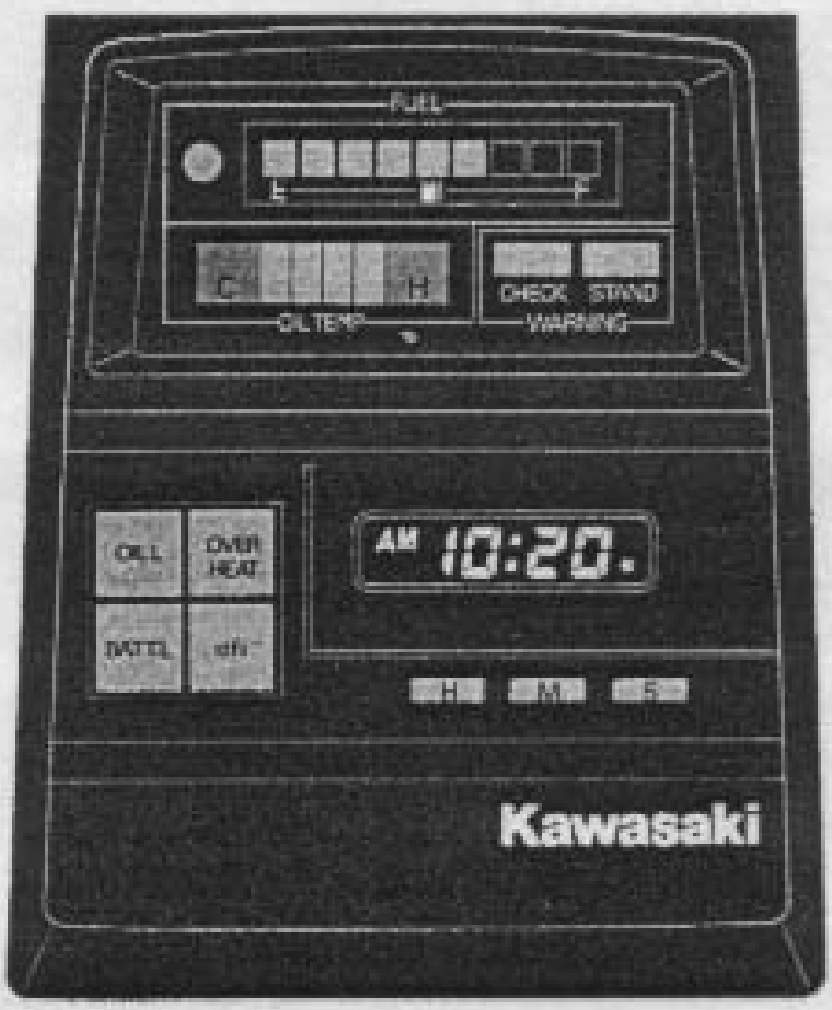
The essentials remained, although many details changed for the production version.
The brochure distributed to the press
Based on the successful styling of the naturally aspirated ZX, the production version looked sportier, with a fairing that displayed the engine and a distinctive red-and-black colour scheme.
All that remained was a successful launch, with an exciting video and promising road tests.
The magazines helped build the motorcycle’s spectacular image: a devil on a Moto Journal cover, holiday-special comparisons with Grand Prix and endurance motorcycles and prestigious cars, tests with boost raised to one bar, and even a swimsuit photograph in Moto 1 that many readers still remember.
The author sees the Kawasaki Turbo as arriving at a turning point, with manufacturers moving towards liquid-cooled engines and four valves per cylinder as emissions requirements evolved.
It is one of the last links in a generation of air-cooled motorcycles with 18-inch wheels, a crankshaft-end alternator and two valves per cylinder.
Kawasaki was also launching the 900 Ninja, the beginning of a new generation of sports motorcycles: liquid cooling, 16 valves and a 16-inch front wheel.
I am convinced that the 750 Turbo was deliberately limited to 112 horsepower to sit below the 900 Ninja’s 115 horsepower, as the latter was intended to represent the brand’s future.
The 750 Turbo is also one of the last motorcycles from a period of creative experimentation, with manufacturers exploring turbocharging and large-capacity two-strokes.
That is why we love it… and, for some, because of that memorable Moto 1 photograph!
Continue exploring
Press and magazines → · Restorations →
Historical reference: Honda — the launch of the CB750 Four in 1969.